
TermiteTreatments in Perth
TERMITES! Do you have a problem?
Termites work silently and invisibly, sawing into your floor joints, cutting through your wall studs, hollowing out the heart of your home and hiding the damage until it’s too late. It is estimated that termites cause over $100 million in damage every year in Australia.
Why termites are a problem
Subterranean termites travel between their humid nests and their food, which is wood. Workers feed on and destroy the wood and then feed other castes in the community. They travel through tunnels and mud tubes ingeniously constructed to protect them from the dry atmosphere outside. These tubes are sometimes visible on masonry or foundation walls and stumps. They are extremely difficult to detect, as sometimes only a few centimetres of the tubes are visible. Any area where wood touches soil or comes close to it is potential food for termites.
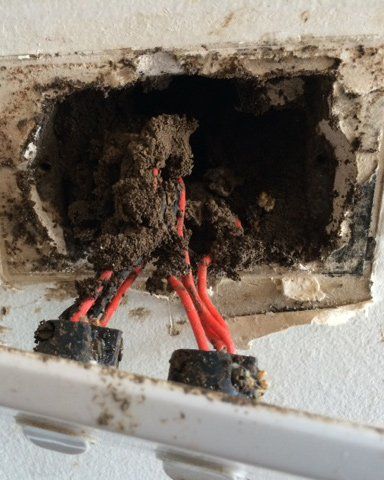
Termites are social insects, and one of the most persistent and destructive insects in nature. They live in large colonies that can grow into the millions, which can lead to huge amounts of money in repair bills. Termites can also severely damage electrical wiring. Damage to your electrical wires could lead to large amounts of damage, including faulty electrical works. This could turn fatal when there are people operating these electrical appliances.
How to inspect for termites
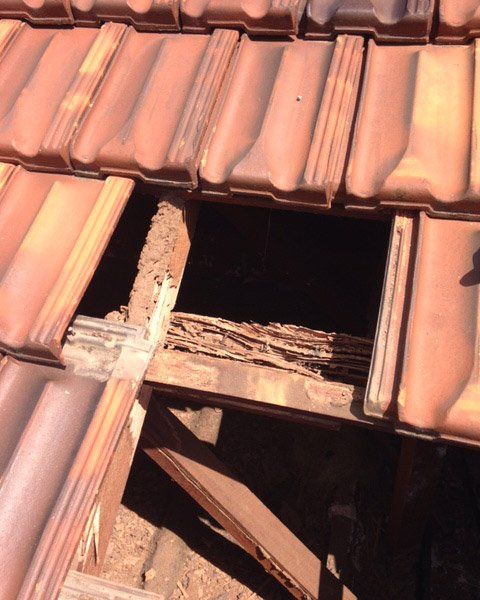
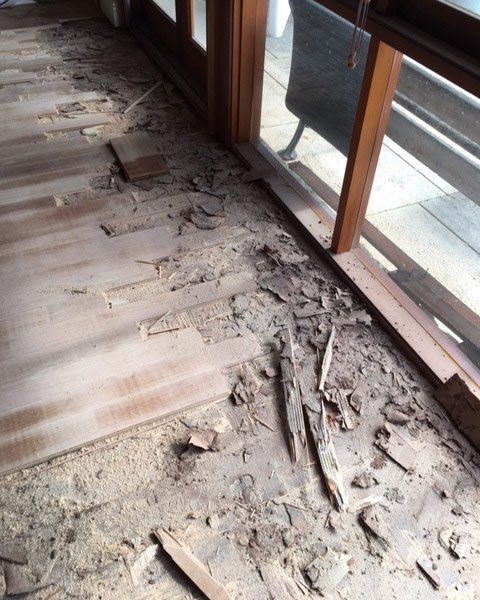
Termite damage is often readily apparent, and as such, many homeowners in Perth can spot a termite problem without professional help. If you spot tunnels in the wood, small brown marks near walls or discarded wings—or, naturally, if you see a large number of termites—you likely have an infestation that will require professional termite treatment.
If you suspect an infestation, call a pest control professional. In addition to determining if your home is compromised by termites, he or she will determine the extent of the damage, the species of termite, the source of the infestation, and more. This information will be invaluable during the termite treatment process.
How to treat termites
An exterminator will be able to safely and carefully use chemicals to eradicate the pests without posing a health threat to you or your family. They will also have specialized tools to accurately determine the extent of the damage and likelihood of further infestations, which allows you to take preventative measures and ensure the safety of your Perth home.
Termite Types
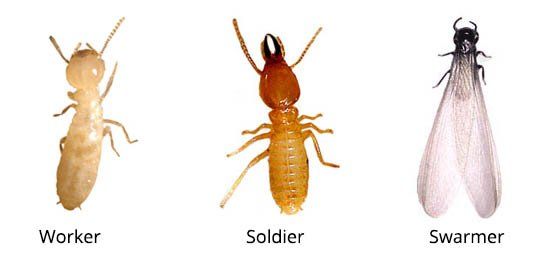
If you see winged ant-like insects around your property, you must know if they are ants or subterranean termites. If they are swarming termites, there is an established colony nearby looking for new nesting areas, and that means your home is in danger.
Call us in Perth immediately. We’ll protect you from these home-damaging insects.
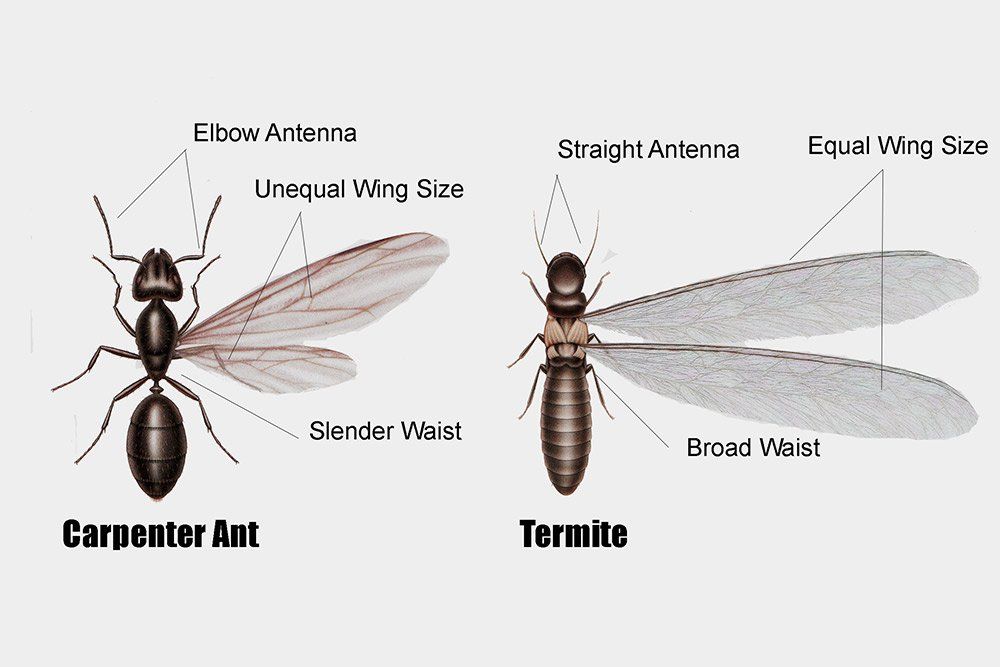
Identifying termites
It’s extremely important to know the difference between ants and termites so you can know when to call us. Generally, winged termites are usually small – about 5 mm in length. They have two body segments, straight antennae and two pairs of equally long wings. Ants have three body segments and a narrow waist, elbowed antennae and a longer pair of front wings.
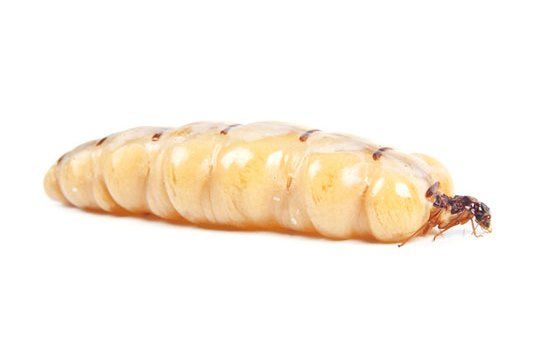
The Queen
The queen occupies a “royal cell” with the king. She may live up to 25 years laying thousands of eggs annually.
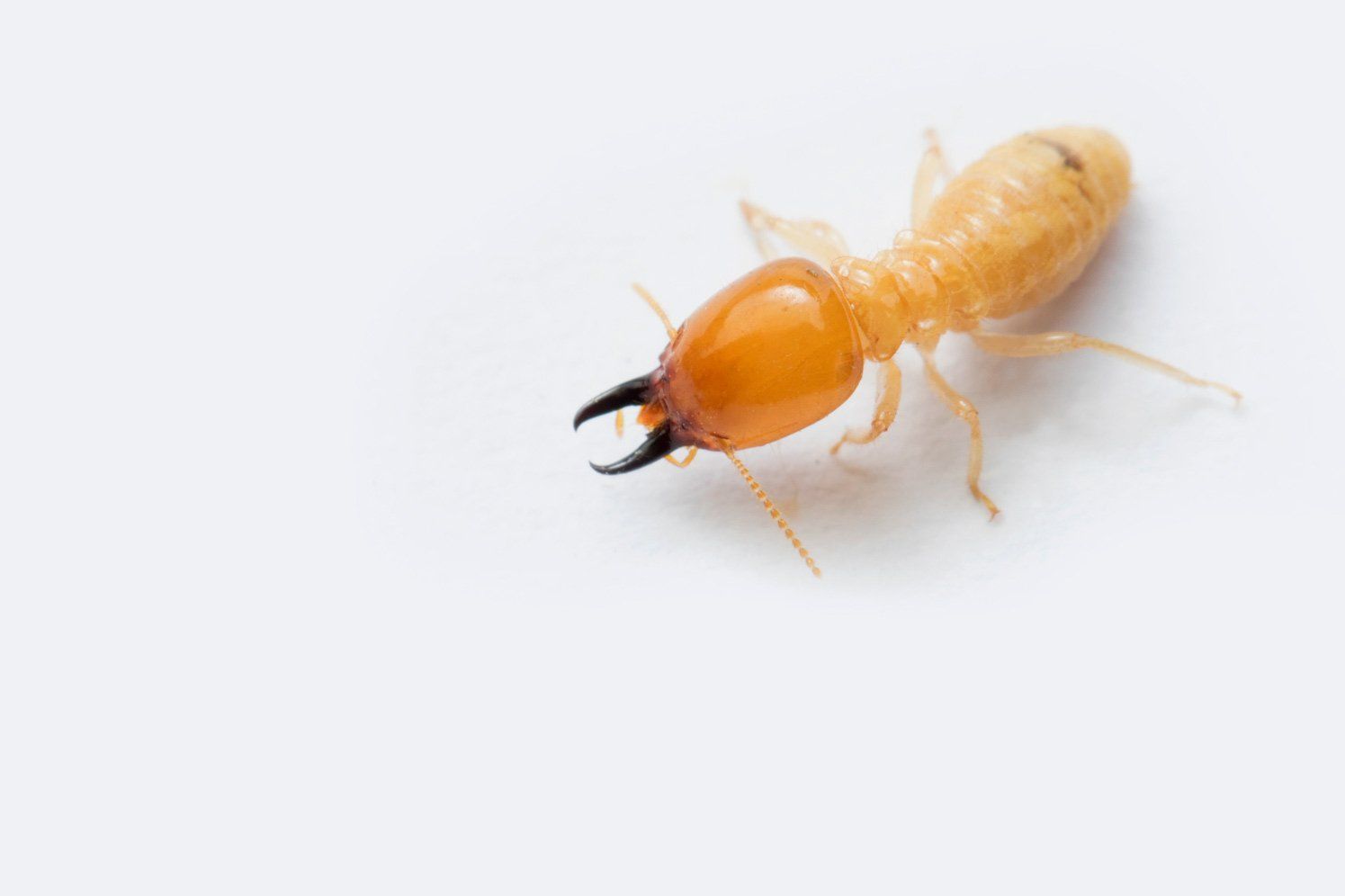
Soldiers
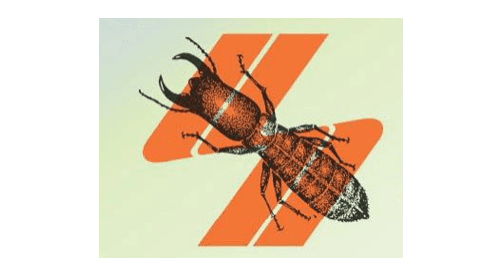
With armoured heads and strong jaws, soldiers protect the colony from enemies – usually ants.
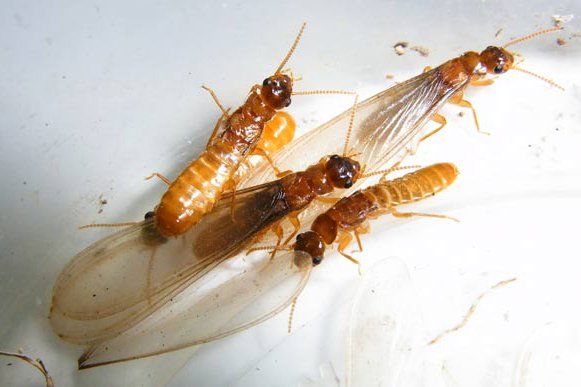
Winged Reproductives
Winged reproductives are the termites you may see when they swarm, usually in spring, indicating a large, well-developed colony. After shedding their wings, they pair off, burrow into the soil and start a new colony.
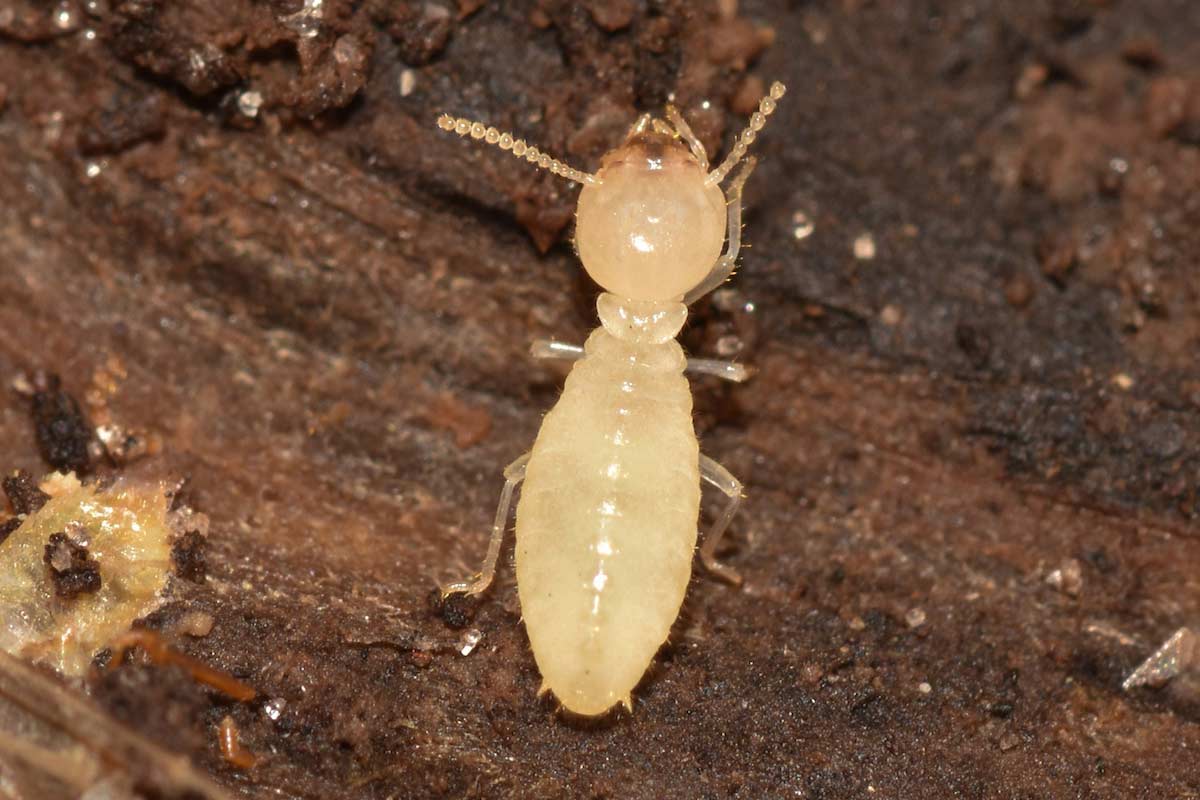
Workers
Workers represent most of the termites in a colony. Blind and sterile, they forage for the colony’s food. Most damage is caused by this kind of termite.
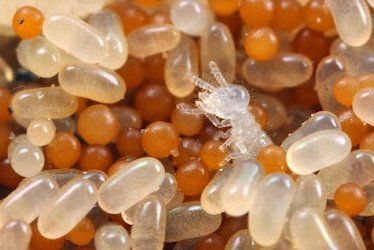
Eggs and Nymphs
Eggs are cared for by the worker termites during a two-week incubation period before passing into nymph stage. Nymphs mature into one of the four termite types mentioned above.
Brochures
We have included links to homeowner brochures so you can discover for yourself the benefits of a preventative termite treatment for your home.

Videos
Take advantage of our 50 years of experience in the Pest Control industry servicing Perth!
Don’t fall victim to termites. If you suspect you have a termite problem, contact Champion Pest Control immediately.
Call us